
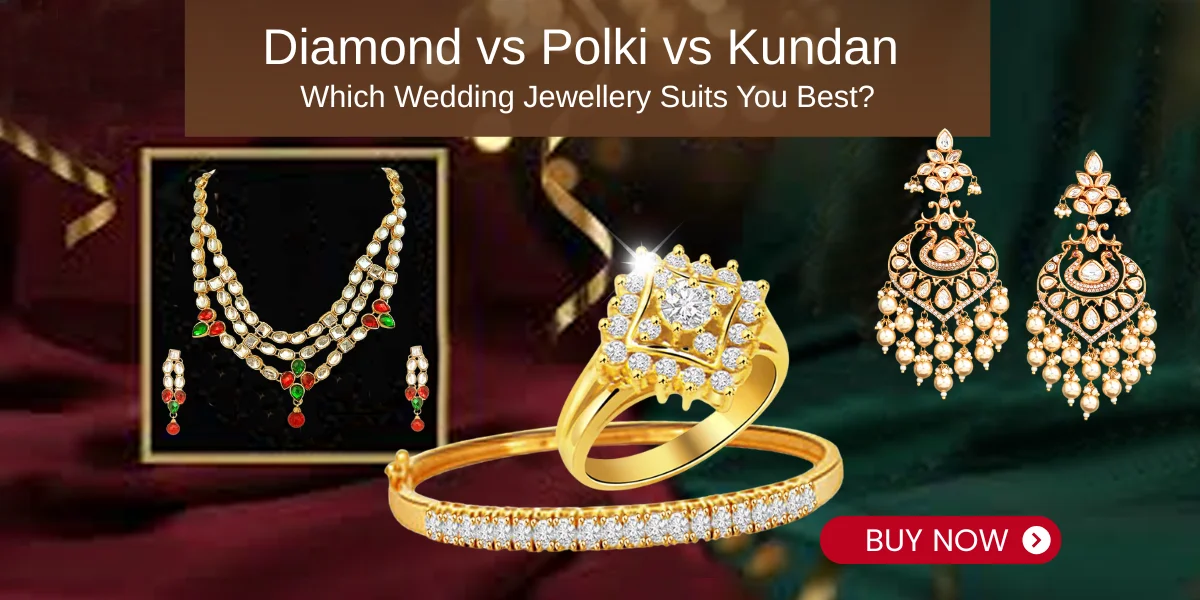
Diamond vs Polki vs Kundan – Which Wedding Jewellery Truly Suits You Best?
Choosing wedding jewellery is not a purchase. It is a decision that becomes part of your family history.
Decades later, when wedding photographs fade into sepia tones and memories soften with time, what remains vivid are the jewels—passed from mother to daughter, from one generation to the next. Yet today’s bride faces a delightful dilemma: diamond jewellery, polki jewellery, or kundan jewellery?
Each carries its own language, legacy, craftsmanship, and emotional weight.
This guide goes deeper than surface-level comparisons. We uncover what most blogs don’t tell you—how history, light behaviour, skin tone, wedding rituals, global fashion, and even personality psychology influence whether diamond vs polki vs kundan truly suits you.
Why This Choice Matters More Than Ever
Modern weddings—especially Indian weddings—are no longer confined to one tradition. A single bride may wear:
- A diamond necklace for the engagement
- Polki jewellery for the pheras
- Kundan jewellery for the sangeet or mehendi
- Contemporary diamond jewellery again for the reception
Understanding kundan vs diamond or polki vs uncut diamonds is no longer optional—it is empowering.
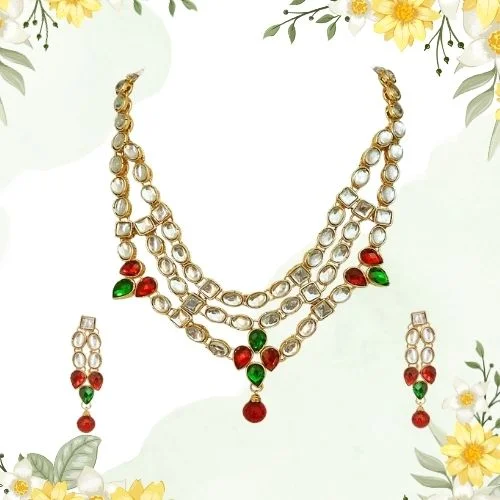
Diamond Jewellery: Modern Royalty, Global Elegance
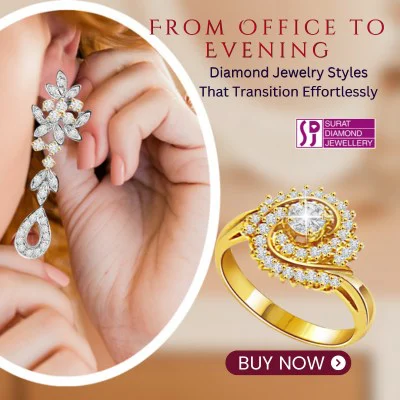
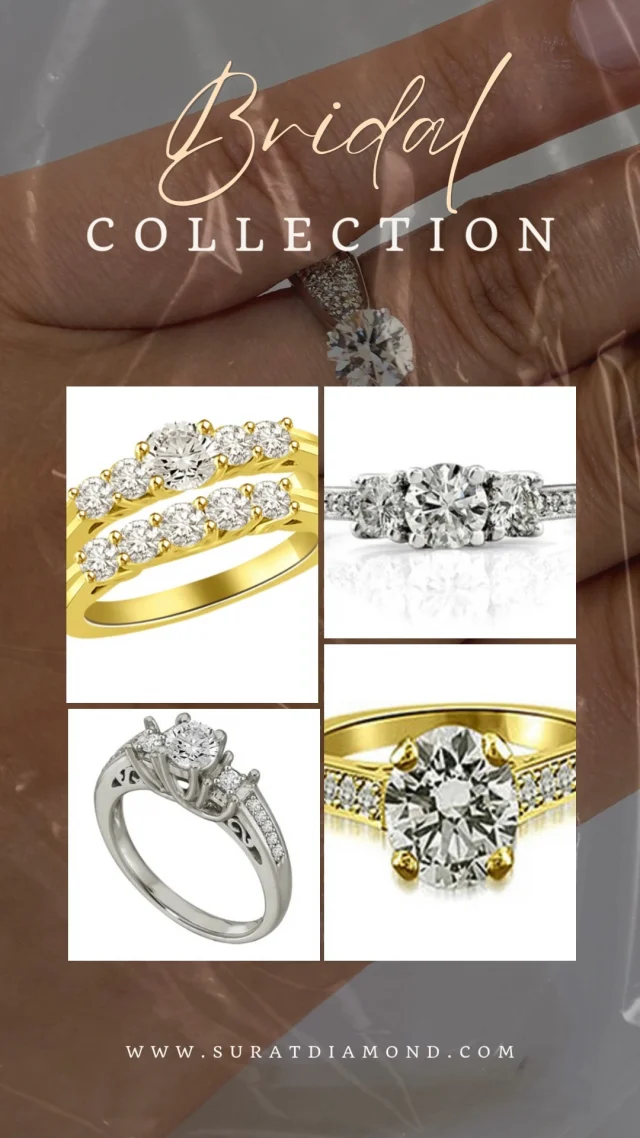
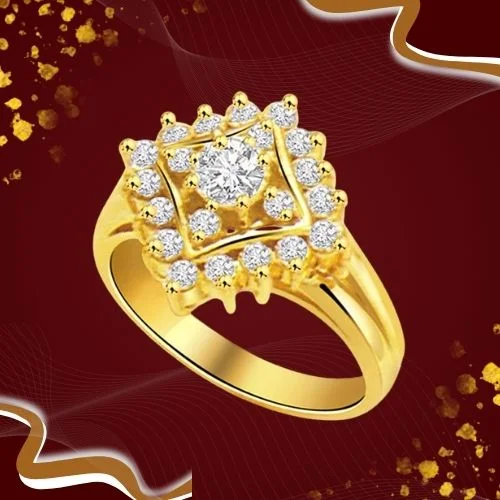
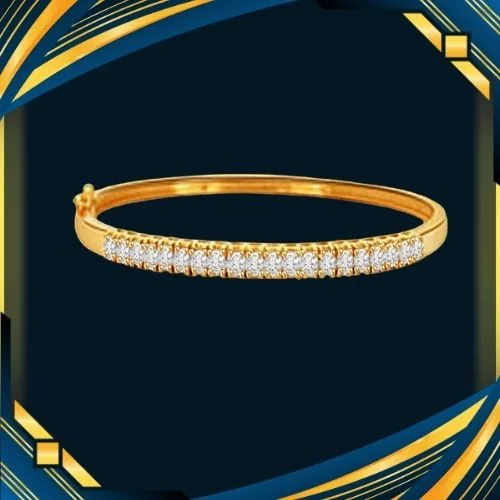
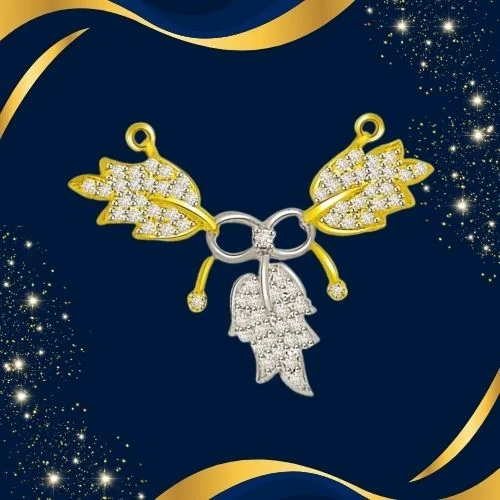
Diamond jewellery represents precision, brilliance, and permanence. Unlike other forms, diamonds are cut to interact with light scientifically, delivering sparkle unmatched by any gemstone.
What Most People Don’t Know About Diamonds?
Diamonds are not just stones; they are engineered brilliance. A well-cut diamond returns over 90% of light back to the eye, which is why even a smaller diamond can outshine larger traditional stones. Historically, diamonds symbolised power and permanence. European royalty embraced diamonds long before they reached Indian weddings. Over time, Indian brides adopted diamonds not to replace tradition—but to expand it.
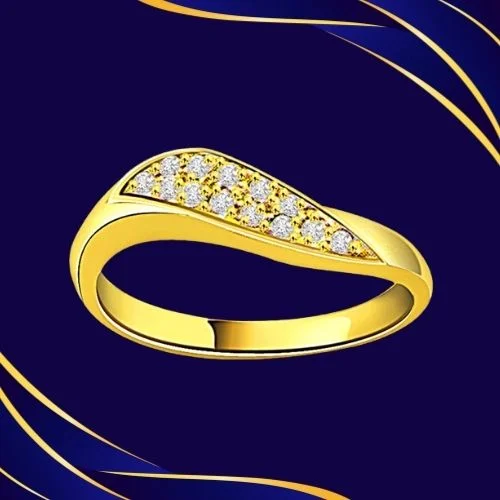
When Diamond Jewellery Suits You Best
Diamond jewellery is ideal if you:
- Prefer elegance over opulence
- Attend multiple wedding functions and international events
- Want jewellery that transitions seamlessly from wedding to daily luxury
- Value certification, transparency, and long-term value
Diamond jewellery pairs beautifully with:
- Ivory, pastel, champagne, blush, and metallic bridal outfits
- Western gowns, Indo-western lehengas, and minimalist sarees
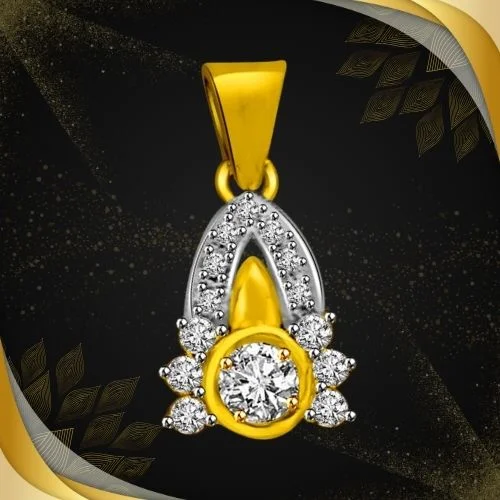
Polki Jewellery: The Soul of Royal Indian Weddings
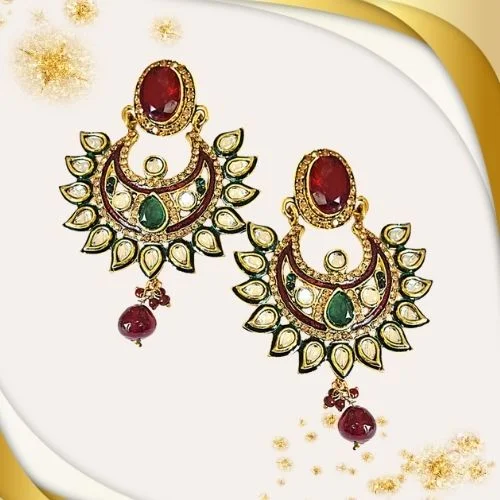
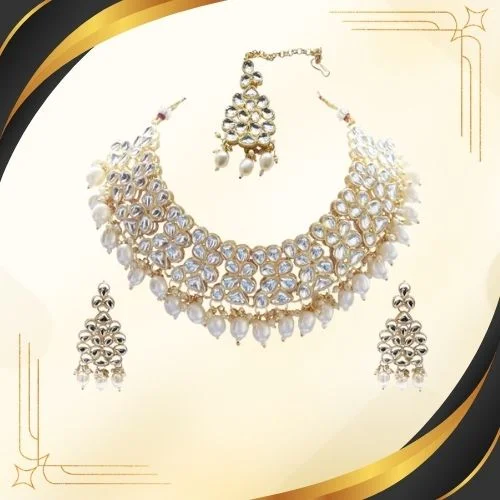
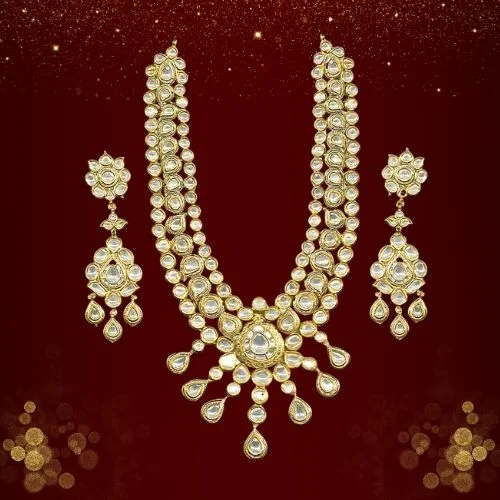
Polki jewellery uses uncut diamonds, set in gold—often backed with enamel (meenakari). This is where polki vs uncut diamonds becomes crucial. Polki is uncut diamonds—but uncut diamonds are not always polki.
The Mughal Secret Behind Polki
Polki jewellery flourished under Mughal patronage. The Mughals valued natural diamond forms, believing cutting diamonds weakened their spiritual energy. These diamonds were sourced from Golconda mines—stones so pure that European monarchs fought to acquire them.
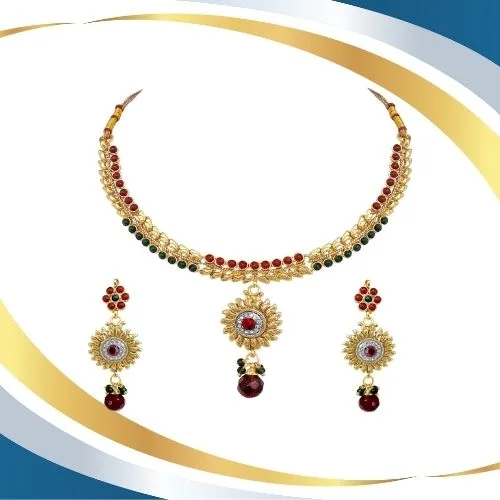
Polki does not sparkle like modern diamond jewellery. Instead, it glows—softly, richly, royally.
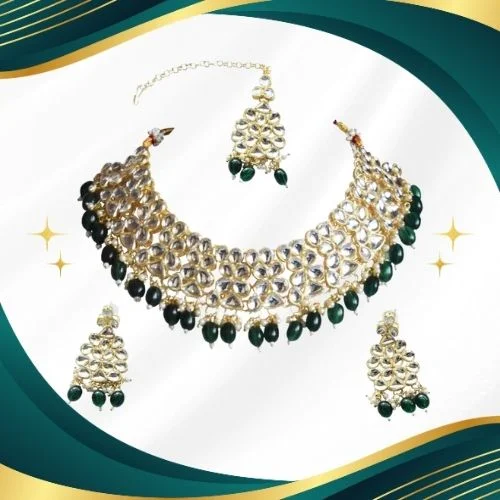
Why Polki Jewellery Feels So Regal?
- Uses flat, table-cut diamonds
- Reflects ambient light instead of sharp sparkle
- Creates a dignified, heirloom presence
- Looks heavier but feels softer visually
When Polki Jewellery Suits You Best
Polki jewellery is perfect if you:
-
- Want a strong connection to Indian royal aesthetics
- Are wearing heavily embroidered lehengas or Banarasi silks
- Prefer tradition without excessive shine
Want bridal jewellery that photographs beautifully under warm lights
Kundan Jewellery: Art, Colour, and Celebration
Kundan jewellery is often misunderstood as “less valuable.” In truth, it is artistically priceless.
Kundan is not about diamonds—it is about craftsmanship.
The Real Craft Behind Kundan Jewellery
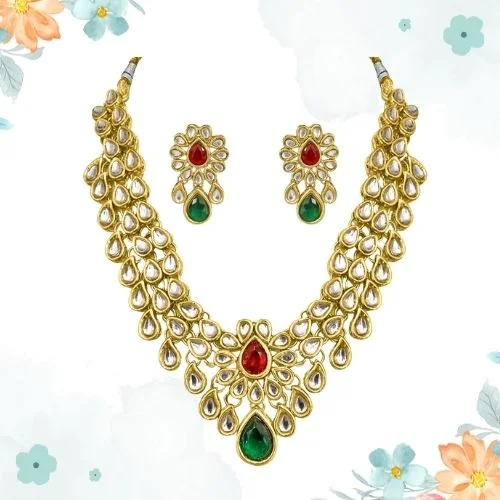
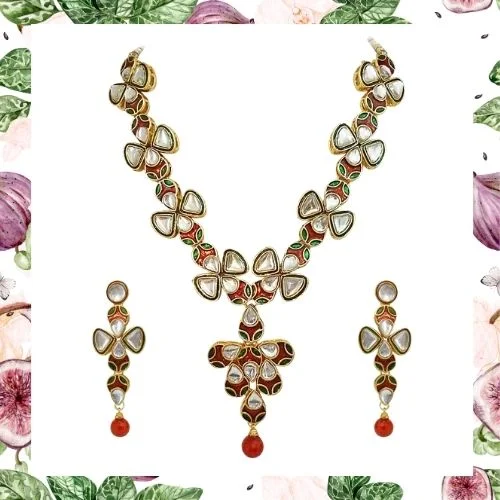
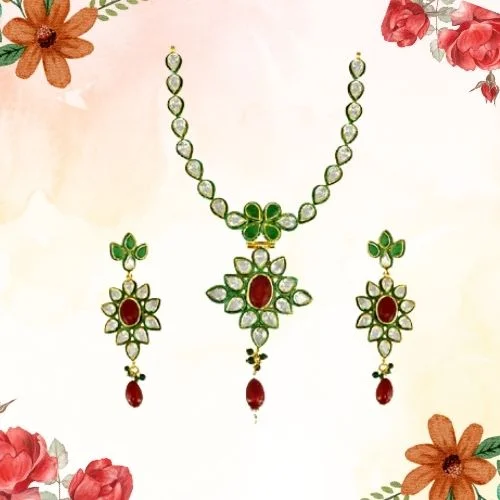
Kundan involves embedding stones—often glass, semi-precious gems, or polki diamonds—into gold foil (kundan). The beauty lies in:
- Symmetry
- Colour harmony
- Enamel artistry
- Hand craftsmanship
Historically, kundan jewellery was worn during festivals, performances, and celebratory court gatherings—moments of joy, not austerity.
When Kundan Jewellery Truly Shines
Kundan jewellery is ideal if you:
- Love colour, drama, and celebration
- Want bold bridal looks for mehendi or sangeet
- Prefer statement jewellery without extreme cost
- Enjoy mixing heritage with playful elegance
Diamond vs Polki vs Kundan: The Honest Comparison
| Feature | Diamond Jewellery | Polki Jewellery | Kundan Jewellery |
|---|---|---|---|
| Stone Type | Cut diamonds | Uncut diamonds | Glass / gemstones / polki |
| Look | Sparkling, modern | Soft, royal glow | Colourful, artistic |
| Weight | Light | Medium to heavy | Often heavy |
| Versatility | Very high | Bridal-focused | Occasion-focused |
| Global Wearability | Excellent | Moderate | Limited |
| Heirloom Value | High | Very high | Cultural |
Kundan vs Diamond: Not a Battle—A Balance
Choosing kundan vs diamond is not about superiority. It’s about context.
Diamonds represent timelessness. Kundan represents celebration.
A bride who understands this doesn’t choose one—she curates both.
Celebrity Influence: East Meets West
- Indian royalty continues to wear polki jewellery for weddings
- Bollywood brides often blend polki jewellery with diamond jewellery
- Western celebrities embrace diamonds for engagement and heirloom pieces
- Middle-Eastern royalty favours uncut diamonds and high-gold settings
This global fusion is shaping modern bridal jewellery choices.
How Today’s Bride Makes the Smart Choice
The smartest brides don’t ask:
“Which is better?”
They ask:
“Which moment deserves which jewellery?”
- Engagement: Diamond jewellery
- Wedding Rituals: Polki jewellery
- Mehendi / Sangeet: Kundan jewellery
- Reception: Diamond jewellery again
This layered approach ensures emotional richness and long-term value.
Why Surat Diamond Makes This Journey Easier
At Surat Diamond, jewellery is not sold—it is curated.
Each design respects:
- Authentic craftsmanship
- Ethical sourcing
- Modern lifestyles
- Indian heritage
Whether you’re exploring diamond jewellery for everyday elegance, understanding polki vs uncut diamonds, or choosing expressive kundan jewellery, Surat Diamond helps you discover what resonates with you.
Key Takeaways
Choosing between diamond vs polki vs kundan is not about trends—it is about identity, emotion, and intention. Diamond jewellery offers brilliance, versatility, and global elegance, making it ideal for brides who value modern sophistication and long-term wearability. Polki jewellery, crafted with uncut diamonds, carries deep royal heritage and soft luminosity, perfect for traditional wedding rituals and heirloom pieces. Kundan jewellery celebrates artistry and colour, adding joy and visual richness to festive moments like mehendi and sangeet.
Understanding kundan vs diamond or polki vs uncut diamonds allows today’s bride to curate jewellery for every wedding moment instead of limiting herself to a single style. The most meaningful bridal jewellery wardrobes combine all three—each chosen thoughtfully for its purpose, emotion, and memory.
Explore designs that align with your story, traditions, and future at Surat Diamond Jewellery where heritage craftsmanship meets modern sensibility.
FAQs
Q1. What is the main difference between polki and diamond jewellery?
Polki jewellery uses uncut diamonds with a soft glow, while diamond jewellery uses cut diamonds designed for maximum sparkle.
Q2. Is kundan jewellery real gold?
Yes, kundan jewellery traditionally uses gold foil for setting, though purity may vary based on craftsmanship.
Q3. Can polki jewellery be worn after marriage regularly?
Polki jewellery is best reserved for special occasions due to its weight and traditional styling.
Q4. Which jewellery holds better long-term value—kundan or diamond?
Diamond jewellery generally holds higher resale and certification value, while kundan holds cultural and artistic value.
Q5. Can I mix diamond jewellery with polki or kundan?
Yes. Modern bridal styling often blends diamond jewellery with polki or kundan for layered elegance.