
How to Identify a Real Diamond: A Simple Buyer’s Guide

How to Identify a Real Diamond: A Simple Buyer’s Guide
There is a moment every diamond buyer knows. You are holding a piece — a real diamond ring, perhaps, or a pendant that catches the light in a way that takes your breath away — and a quiet question forms at the back of your mind: how do I know this is the real thing?
It is a fair question, and an important one. The diamond market in India alone is worth billions of dollars annually, and with that scale comes a parallel market of simulants, imitations, and misrepresented stones that range from the obviously fake to the surprisingly convincing. Whether you are buying a real diamond necklace for a milestone anniversary, a real diamond set for a daughter’s wedding, or a real diamond pendant for yourself simply because you have earned it — knowing how to identify a genuine diamond is not paranoia. It is wisdom.
This guide will walk you through the tests, the signs, the history, and the knowledge that separates a confident diamond buyer from a nervous one.
Why the Question Matters More Than Ever
The global diamond jewellery market has never been more accessible — or more complex. Online retail has opened up extraordinary options for buyers in cities large and small across India and around the world. You can now browse a real diamond ring from a craftsman in Surat, compare it with a similar design from a jeweller in Mumbai, and make a purchase without leaving your home. That accessibility is genuinely wonderful.
But it also means that not every seller has the accountability that a trusted neighbourhood jeweller once provided. Diamond simulants — stones that look like diamonds but are not — have become increasingly sophisticated. Cubic zirconia, moissanite, white sapphire, and even high-quality synthetic glass can fool the untrained eye in a photograph and, occasionally, in person. Understanding what separates real diamond jewellery from these alternatives is the foundation of buying with confidence.
A Brief History: Diamonds and the Art of Deception
The question of real versus fake diamonds is not new. As far back as the 17th century, Venetian glassmakers were producing “paste” stones — leaded glass cut to mimic the facets of gemstones — that were worn even by European nobility who either could not afford or chose not to display their real jewels in public. Marie Antoinette famously had paste replicas made of some of her most recognisable pieces so she could wear them without the security risks of the originals.
In India, the tradition of kundan jewellery — which uses foil-backed stones set in gold — was sometimes used with glass stones rather than genuine gems, particularly in pieces made for theatrical or ceremonial use where appearance mattered more than intrinsic value. There is nothing dishonest about simulants when they are sold and understood as such. The problem arises when they are not.
The Regent Diamond, one of the finest diamonds in history and now housed in the Louvre, was discovered in 1698 by a slave in the Golconda mines of India who reportedly hid it by cutting his own leg and concealing the stone in the wound — such was the perceived value of a genuine diamond. The idea that real diamonds are worth extraordinary lengths to obtain, preserve, and protect runs deep in human history. That instinct to protect value is exactly why knowing how to verify what you are buying still matters today.
The At-Home Tests: What You Can Try Before You Buy
You do not need a gemologist’s laboratory to perform a basic verification of a diamond. Several straightforward tests can be done at home or in a jewellery store before you commit to a purchase.
The Fog Test
Hold the stone close to your mouth and breathe on it as you would to fog a mirror. A real diamond disperses heat almost instantaneously — it will clear within one or two seconds. A simulant like cubic zirconia retains heat longer and will stay fogged for noticeably longer. This is not a definitive test on its own, but it is a quick and useful first indicator.
The Water Test
Place the loose stone in a glass of water. A real diamond, given its high density, will sink quickly and directly to the bottom. Many simulants are lighter and will sink more slowly or behave differently in water. This test only works with loose stones, not stones already set in a real diamond ring or real diamond pendant.
The Newspaper or Dot Test
Place the stone flat-side down on a printed page or a dot you have drawn on white paper. Look through the stone from the top. A real diamond refracts light so powerfully that you will not be able to read the text or see the dot clearly — the image will be distorted and scattered. If you can read the text or see the dot clearly through the stone, it is almost certainly not a diamond. This test works because diamonds bend light at such a sharp angle that straight-line viewing through them is impossible.
The Scratch Test — and Why to Be Careful With It
Diamonds are the hardest natural substance on earth, rated 10 on the Mohs scale. The logic of the scratch test is sound: a real diamond can scratch glass, while most simulants cannot. However, this test is not recommended for stones already set in jewellery, as it can damage both the setting and the stone being used to scratch. Moissanite — one of the most diamond-like simulants — is also extremely hard (9.25 on the Mohs scale) and can scratch glass, so this test alone is insufficient to distinguish between the two.
The Reflectivity and Sparkle Test
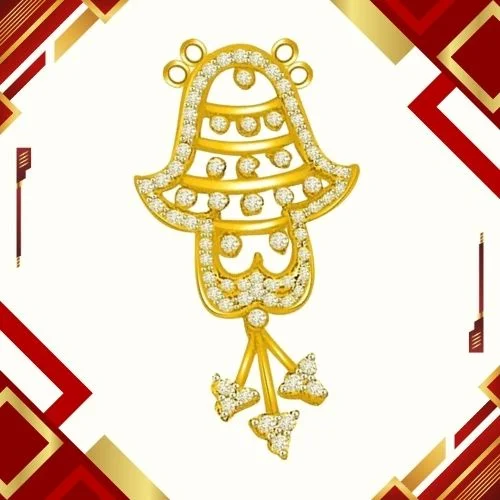
Real diamonds reflect light in a very specific way. Look for a combination of white light reflection (called brilliance) and coloured light reflection (called fire). A real diamond pendant or ring will show sharp, crisp flashes of both — particularly in sunlight or under a bright lamp. Cubic zirconia tends to show more coloured fire and less white brilliance, giving it a slightly “rainbow” quality that experienced buyers learn to recognise. Glass simulants often look lifeless or dull by comparison.
What a Jeweller Uses: Professional Tools and Tests
At-home tests are useful starting points, but professional verification is the standard you should demand for any significant purchase of real diamond jewellery.
The Thermal Conductivity Tester (Diamond Tester)
This is the tool you are most likely to see used in a professional jewellery setting. Diamond testers measure how quickly heat is conducted through a stone. Diamonds conduct heat far faster than any simulant except moissanite. A basic diamond tester will distinguish a diamond from cubic zirconia, glass, or white sapphire in seconds. More advanced testers include a moissanite detection function, which uses electrical conductivity (moissanite conducts electricity; diamonds do not) to separate the two. If a jeweller offers to test a stone for you, this is the tool they will almost always use.
Magnification and Loupe Inspection
A trained jeweller examining a real diamond ring or real diamond set under 10x magnification will look for inclusions — the tiny internal characteristics that are almost universal in natural diamonds and are, paradoxically, a sign of authenticity. A perfectly flawless stone is either a high-grade natural diamond (rare and expensive) or a simulant or synthetic. Inclusions have patterns and characters that a skilled eye learns to recognise. Lab-grown diamonds also contain inclusions, but of a different character to natural ones, which is another area where magnification is useful.
Certification: The Gold Standard
For any real diamond jewellery purchase of significance — a real diamond necklace, a real diamond set, a real diamond ring above a certain value — a grading certificate from a recognised gemological laboratory is the most reliable proof of authenticity and quality you can hold in your hands. The three most trusted certifications for Indian buyers are:
GIA (Gemological Institute of America) — the global benchmark for diamond grading. A GIA certificate is universally recognised and respected.
IGI (International Gemological Institute) — particularly widely used and trusted in India and for lab-grown diamonds. Many Indian fine jewellery retailers, including SuratDiamond.com, offer IGI-certified stones.
SGL (Solitaire Gemological Laboratories) — a credible Indian certification body that is widely accepted in the Indian market.
A certificate does not just verify that a stone is a real diamond. It tells you the precise carat weight, cut grade, colour grade, and clarity grade — the 4Cs that determine the stone’s quality and value. Never purchase a significant diamond piece without requesting the certificate, and always verify that the certificate number matches the laser inscription on the stone’s girdle (the thin edge around the widest part of the diamond), which can be confirmed under magnification.
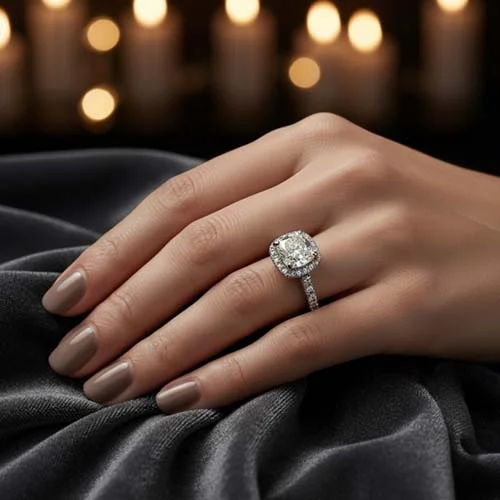
Real Diamond Jewellery Categories: What to Know Before You Buy Each Type
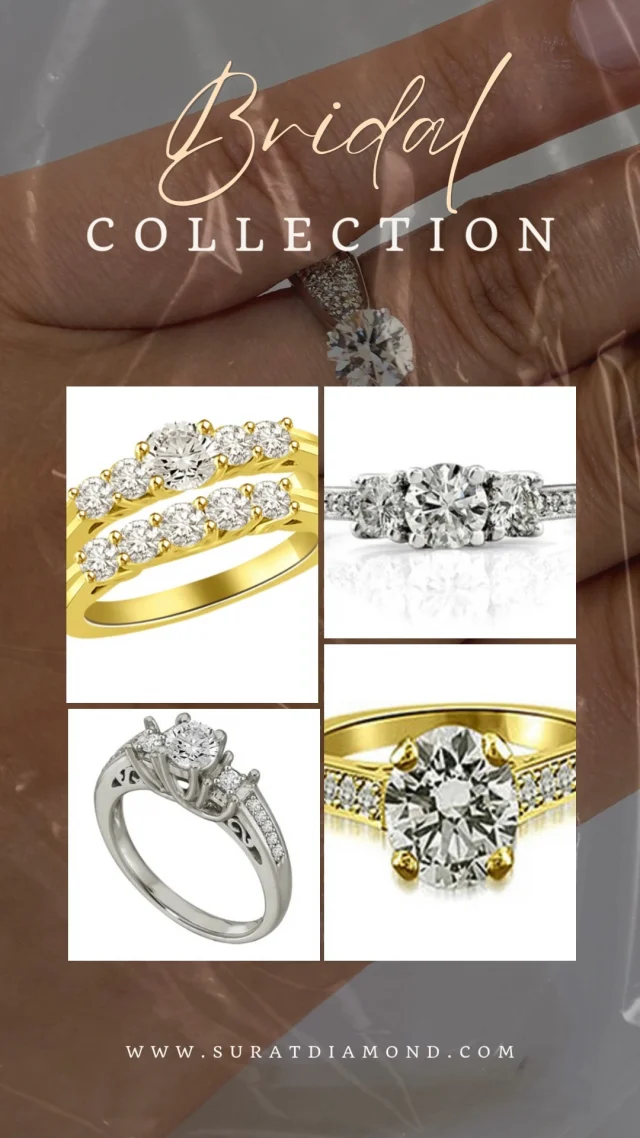
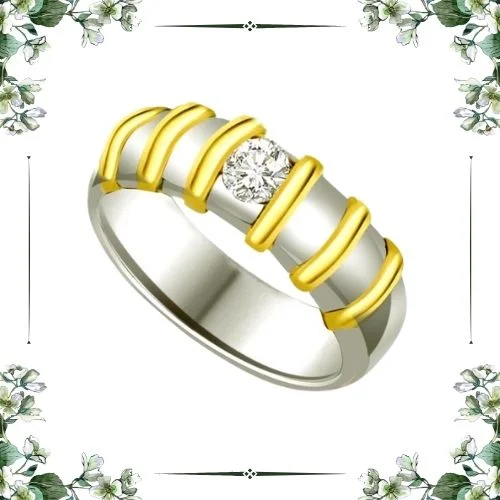
Real Diamond Rings
The real diamond ring is the most scrutinised diamond purchase most people will ever make — and rightly so. For solitaire rings, pay particular attention to the cut grade on the certificate: cut is the most significant factor in how brilliant and alive a diamond appears. An Excellent or Very Good cut grade makes a meaningful difference to the naked eye.
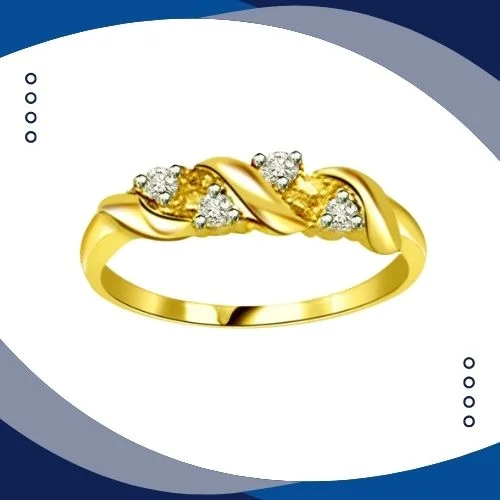
Real Diamond Pendants
A real diamond pendant is often a buyer’s entry into fine diamond jewellery, and it can be an extraordinarily versatile investment. When evaluating a pendant, look at how the stone is set — a well-made claw or prong setting allows maximum light entry, which amplifies brilliance. A bezel setting, where the stone is enclosed in metal, is more protective but slightly reduces the stone’s optical performance.
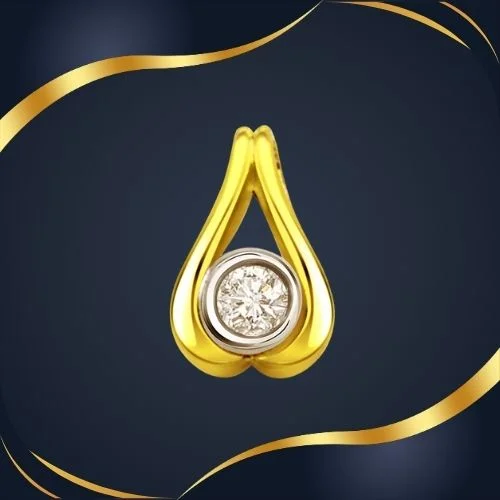
Real Diamond Necklaces
A real diamond necklace — whether a tennis necklace, a chandelier design, or a statement South Indian-style set — involves multiple stones, and consistency of quality across all stones matters significantly. Ask whether the stones are matched for colour and clarity, and whether a certificate covers the total diamond weight or individual stones.

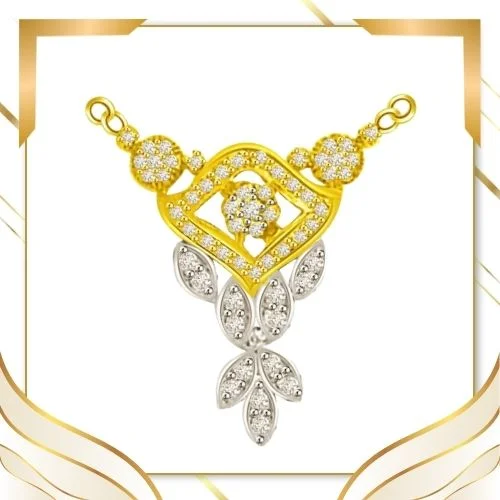
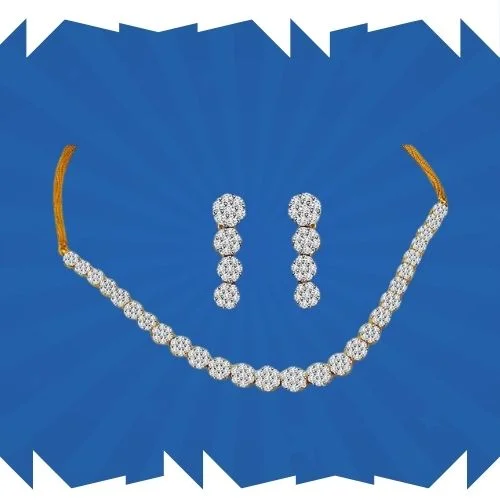
Real Diamond Sets
A real diamond set — the coordinated combination of necklace, earrings, and often a maang tikka or bracelet — is typically a bridal or milestone purchase. For sets, craftsmanship and metal quality are as important as the diamonds themselves. The setting quality and finishing of the metalwork determine both the beauty and longevity of the piece. At SuratDiamond.com, the diamond sets combine certified stones with hand-finished goldwork that reflects the best of Indian jewellery craftsmanship.
What Real Diamonds Feel Like: The Intangible Markers
Experienced jewellers speak of something beyond the tests and the certificates — the way real diamond jewellery carries itself. A real diamond ring has a weight to it that feels intentional. A real diamond pendant against skin catches light in a way that seems almost alive. These are not mystical qualities; they are the result of precise optical engineering that nature spent millions of years perfecting and that human craftsmen have spent centuries learning to reveal through cutting and setting.
This sensory experience is part of why the tradition of examining jewellery in person before buying remains important even in an era of excellent online retail. When you do buy online, buying from retailers who offer detailed photography, video of pieces in motion, transparent certifications, and genuine return policies — as SuratDiamond.com does — is the closest equivalent to that in-person confidence.
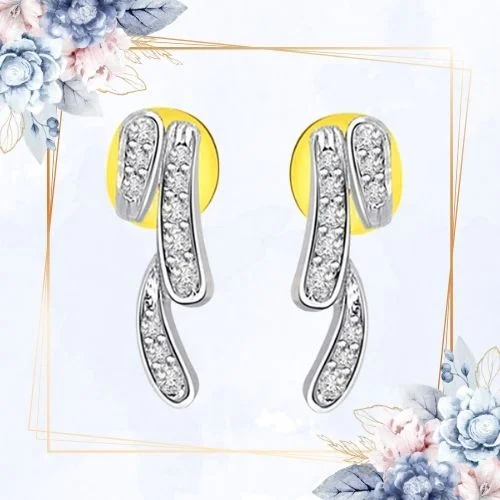
Celebrity Notes: When the Real Thing Made History
Elizabeth Taylor’s passion for real diamonds was legendary — and her collection was genuinely extraordinary. The Taylor-Burton Diamond, a 68-carat pear-shaped stone acquired at a 1969 auction, became one of the most famous diamonds in modern history. Taylor reportedly wore it first as a ring, but found it too large, and had it remounted as a pendant. The stone’s journey from auction room to pendant is a beautiful reminder that real diamond jewellery, at every scale, is defined by its adaptability to the person who wears it.
In India, the Nizam of Hyderabad’s diamond collection — reportedly the most valuable private collection in the world at the time of Indian Independence — included pieces of such extraordinary quality that some were later incorporated into jewellery that is still worn at state occasions. The Nizam famously used loose diamonds as paperweights, so abundant was his collection. That story has passed into Indian legend as the ultimate expression of the diamond’s place in Indian culture.
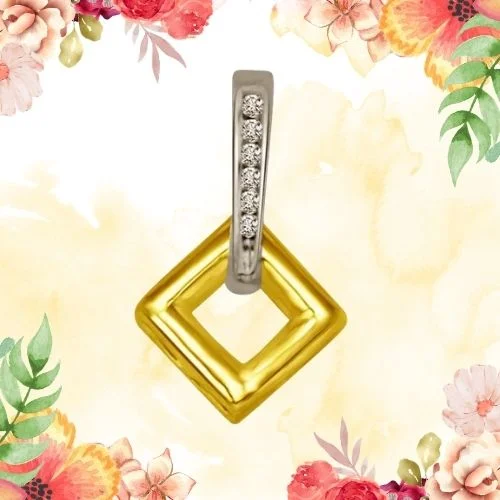
The One Thing No Test Can Replace: Buying From a Trusted Source
Every test described in this guide — from the fog test to the thermal conductivity tester to the GIA certificate — exists to address a single underlying concern: trust. When you buy real diamond jewellery from a source you trust completely, the need for tests does not disappear, but it becomes a formality rather than an anxiety.
Trust in diamond retail is built through transparency — transparent pricing, transparent certification, transparent descriptions of what you are actually buying. It is built through accountability — return policies, hallmarking, after-sales service. And it is built through experience — a retailer who has served thousands of buyers, whose reviews and reputation speak for themselves.
Surat Diamond Jewellery has been built on exactly these foundations. Whether you are exploring a real diamond pendant as your first fine jewellery purchase or selecting a real diamond set for one of the most significant occasions of your life, the combination of certified stones, skilled craftsmanship, and genuine buyer transparency makes the difference between a purchase and an investment.
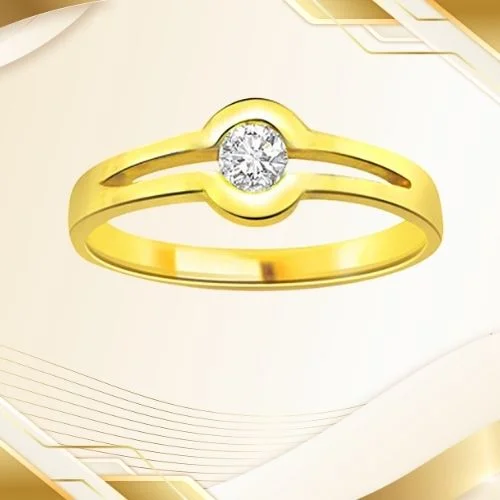
Key Takeaways
Identifying a real diamond is both a science and an art. Simple at-home tests — the fog test, the water test, the newspaper test — offer useful first indicators, but professional verification using thermal conductivity testers and certified grading reports from GIA or IGI are the true standard for any significant purchase. Real diamond jewellery categories each have specific considerations: cut grade matters most for real diamond rings, light entry matters for real diamond pendants, stone consistency matters for real diamond necklaces, and craftsmanship is as important as diamond quality for real diamond sets. Ultimately, the most reliable protection for any diamond buyer is purchasing from a retailer who combines certified stones with complete transparency — which is precisely what Surat Diamond Jewellery offers across its full range of real diamond jewellery.
Frequently Asked Questions
How can I tell if a diamond is real at home without any special tools?
The most reliable at-home tests are the fog test (a real diamond clears in one to two seconds), the newspaper test (you cannot read text through a real diamond due to its extreme light refraction), and the water test for loose stones (real diamonds sink immediately due to their high density). These tests are useful for initial verification but should be followed up with professional testing for any significant purchase.
What is the most reliable way to verify that a diamond is genuine?
A grading certificate from GIA, IGI, or SGL is the gold standard for verifying a real diamond. It confirms not only that the stone is a genuine diamond but also its precise cut, colour, clarity, and carat weight. For added security, match the certificate number to the laser inscription on the diamond’s girdle under magnification.
Can moissanite pass a diamond tester?
Basic diamond testers that measure only thermal conductivity will register moissanite as a diamond, because moissanite conducts heat at a similar rate. Advanced testers that also test electrical conductivity will correctly identify moissanite, since it conducts electricity while diamonds do not. When in doubt, ask the jeweller to use a dual-function tester and request a certificate.
Does a real diamond ring always have inclusions?
Most natural diamonds have inclusions — tiny internal characteristics formed during their creation deep in the earth. A completely flawless diamond is extremely rare and very expensive. If a stone appears absolutely perfect under magnification, ask for its certificate and verify whether it is a natural diamond, a lab-grown diamond (which also has inclusions but of a different character), or a simulant.
What should I check when buying a real diamond necklace or set online?
Look for detailed product photography, ideally including video. Verify that each significant stone comes with a certificate from GIA, IGI, or SGL. Check the metal purity hallmarking (BIS hallmark for gold in India). Confirm the retailer’s return and exchange policy. Platforms like Surat Diamond Jewellery provide all of this information transparently, which is the online equivalent of the trust you would place in a reputable physical jeweller.
Is a lab-grown diamond a “real” diamond?
Yes. Lab-grown diamonds have identical physical, chemical, and optical properties to mined diamonds. They are genuine diamonds in every scientific sense — they are not simulants or imitations. The difference is their origin: lab-grown diamonds are created in a controlled environment rather than mined from the earth. They are graded by the same standards, certified by the same laboratories, and indistinguishable without specialist equipment. They are an excellent choice for buyers who want real diamond jewellery at a more accessible price point.
What is the difference between a real diamond and cubic zirconia?
Cubic zirconia (CZ) is a synthetic material designed to simulate the appearance of a diamond. It is significantly less hard (8.5 on the Mohs scale versus diamond’s 10), lighter in weight, and tends to show more coloured fire and less white brilliance than a genuine diamond. It has no resale value and will scratch and cloud over time. A thermal conductivity tester will immediately distinguish between the two. CZ is sold legitimately as a fashion stone, but should never be represented as a real diamond.