
How Artificial Jewellery Can Affect Your Skin Health
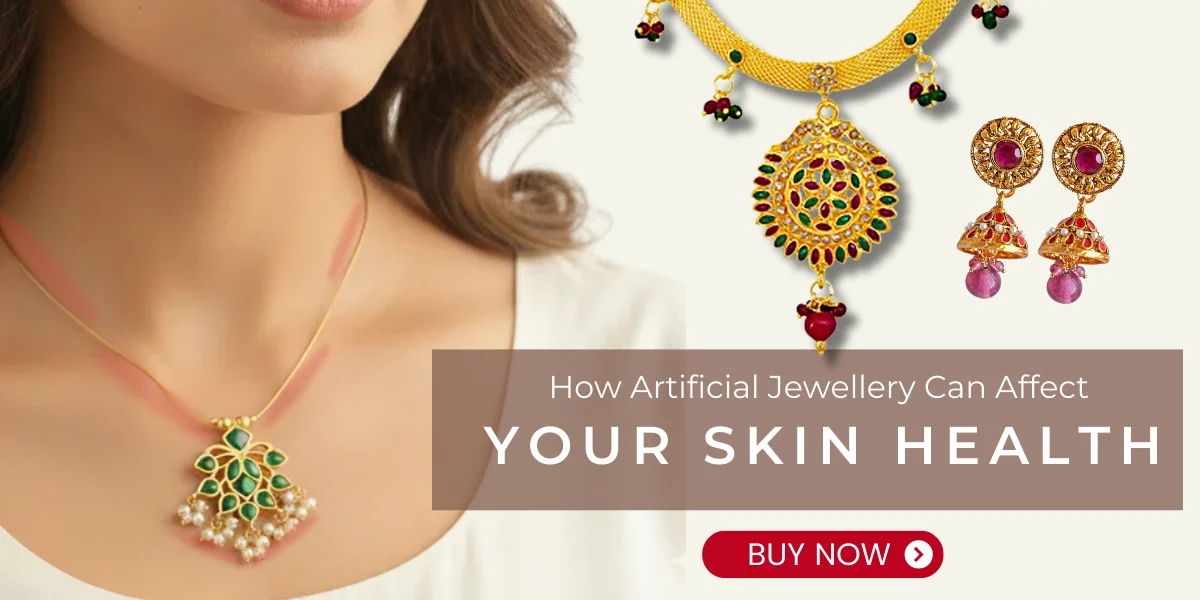
Jewellery is meant to make you feel beautiful, confident, and expressive. But what if the very accessory that completes your look quietly irritates your skin, leaves rashes behind, or causes long-term sensitivity?
If you’ve ever removed a necklace only to find redness, itchiness, or dark marks on your skin, you’re not alone. These are not “normal” reactions—they are warning signs. And in most cases, they trace back to artificial jewellery.
In today’s fast-fashion world, artificial jewellery is everywhere—affordable, trendy, and visually appealing. Yet few people pause to ask a crucial question:
What is artificial jewellery really doing to my skin?
This guide is designed to help you understand the effects of artificial jewellery, recognize early jewellery skin reactions, and make informed choices that prioritize jewellery skin safety—without giving up style.
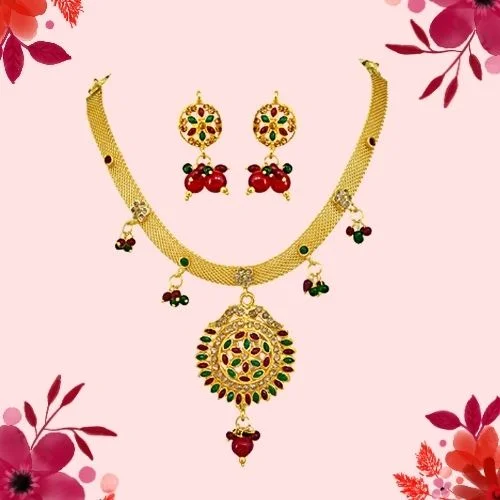
Why Artificial Jewellery Became So Popular (And What Changed)
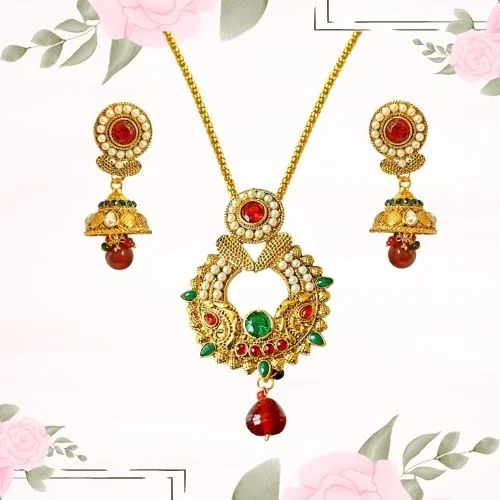
Historically, jewellery was made from natural materials—gold, silver, gemstones. These metals were prized not only for beauty but also for skin compatibility.
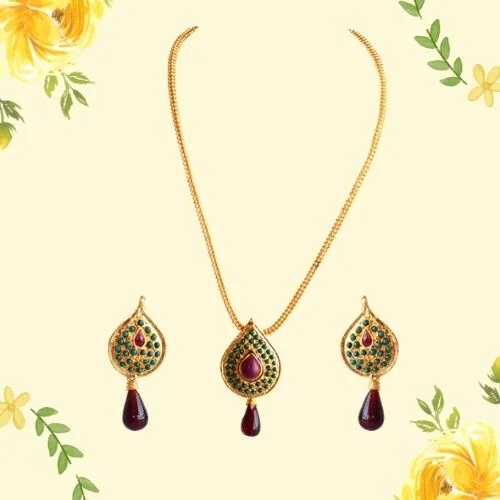
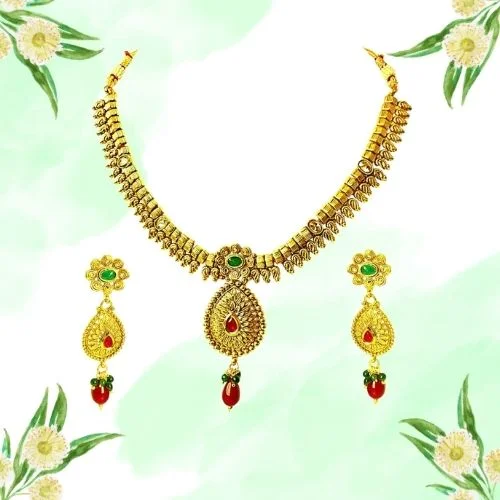
The shift toward artificial jewellery accelerated in the late 20th century with mass manufacturing. Alloys, chemical coatings, and synthetic finishes made jewellery cheaper and trend-responsive.
But here’s what changed quietly:
-
Speed replaced craftsmanship
-
Cost replaced material integrity
-
Coatings replaced purity
Skin, unfortunately, did not adapt as quickly.
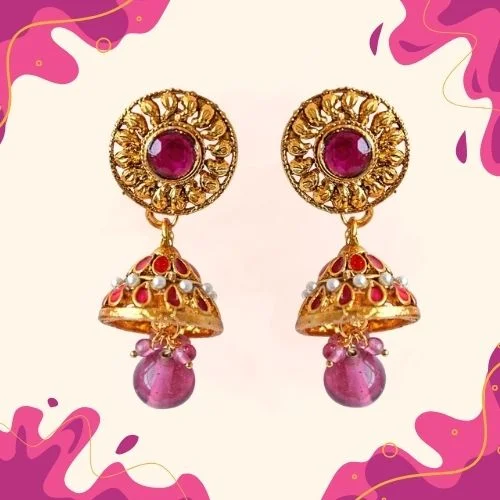
What Is Artificial Jewellery Made Of?
Most artificial jewellery contains a mix of:
-
Nickel
-
Lead
-
Cadmium
-
Brass or copper alloys
-
Synthetic plating chemicals
These materials are rarely disclosed to consumers.
Nickel, in particular, is one of the most common causes of jewellery skin reactions worldwide—a fact documented in dermatology journals but rarely discussed in fashion spaces.
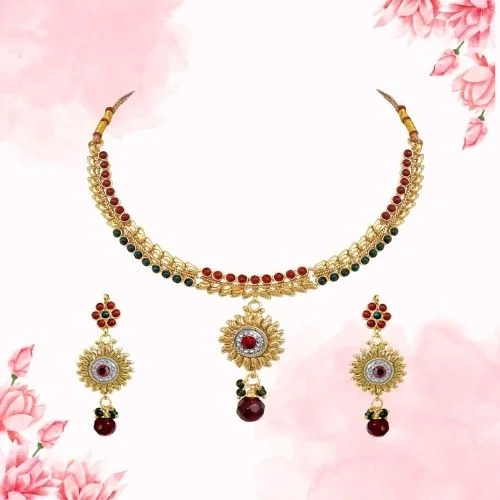
The Effects of Artificial Jewellery on Skin Health
The effects of artificial jewellery are not always immediate. Some develop over time, making them harder to trace back to the jewellery itself.
Common Skin Reactions Include:
-
Redness and inflammation
-
Itching or burning sensation
-
Green or black skin discoloration
-
Contact dermatitis
-
Long-term metal sensitivity
What starts as mild irritation can become chronic if exposure continues.
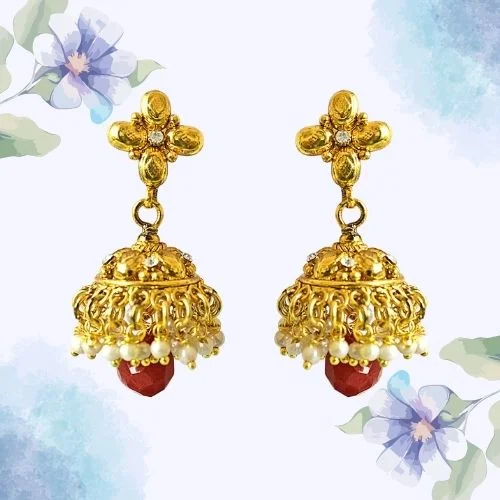
Why Some People React More Than Others
Not all skin reacts the same way. Jewellery skin reactions depend on:
-
Skin sensitivity
-
Sweat levels
-
Climate (humidity worsens reactions)
-
Duration of wear
-
Location (neck, ears, wrists are most vulnerable)
This is why many people experience reactions only during summers or long events like weddings.
A Lesser-Known Historical Insight (Rarely Talked About)
In ancient Rome and India, jewellers avoided certain metals not for superstition—but for skin wisdom.
Copper was always alloyed with gold or silver before skin contact.Pure iron was never used in daily ornaments.
These choices weren’t accidental. Skin safety was intuitively understood centuries before modern dermatology.
Fast fashion broke this inherited knowledge.
Why Jewellery Skin Safety Matters More Today
Modern lifestyles expose skin to:
-
Pollution
-
Synthetic fabrics
-
Chemical cosmetics
Adding reactive jewellery into this mix overloads the skin barrier. Jewellery skin safety today is not luxury—it’s self-care.
Choosing skin-safe jewellery reduces:
-
Allergic sensitization over time
-
Pigmentation issues
-
Recurring irritation cycles
Artificial Jewellery vs Fine Jewellery: The Skin Perspective
Let’s remove aesthetics and look purely at skin health.
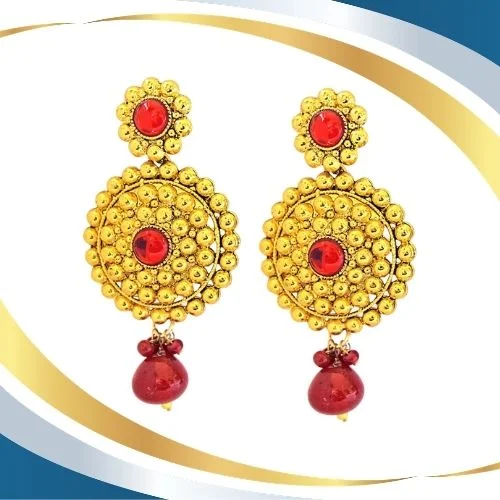
Artificial Jewellery
-
Contains reactive alloys
-
Uses chemical coatings
-
Breaks down with sweat
-
Inconsistent quality control

Fine Jewellery (Gold, Diamond, Platinum)
-
Naturally hypoallergenic
-
Chemically stable
-
Long-term skin compatibility
-
Minimal reaction risk
This is why dermatologists often recommend switching to gold or diamond jewellery for people with sensitive skin.
Why Diamonds Are Skin-Safe (Beyond Beauty)
Diamonds are inert. They do not react with skin, sweat, or air.
When set properly in gold or platinum:
-
They do not leach chemicals
-
They maintain structural integrity
-
They remain skin-neutral
This is why diamond jewellery has been worn daily across cultures for centuries—not just for symbolism, but for comfort.
Jewellery Skin Reactions: Early Signs You Shouldn’t Ignore
Many people normalize discomfort. Don’t.
Watch out for:
-
Itching within 30–60 minutes of wearing jewellery
-
Marks that fade slowly
-
Tingling or heat sensation
-
Reactions recurring with the same piece
These are signals, not coincidences.
Why “Gold-Plated” Isn’t Always Skin-Safe
A critical misconception: Gold-plated ≠ gold.
Thin plating wears off quickly, exposing base metals beneath. Once exposed, skin reactions begin.
This is why long-term wear demands solid gold or certified metal purity, not surface treatments.
How Skin-Safe Jewellery Is Crafted Differently
Brands focused on jewellery skin safety:
-
Avoid nickel and cadmium
-
Use controlled alloy ratios
-
Test metal stability
-
Prioritize finishing quality
At SuratDiamond, craftsmanship is guided not just by appearance, but by wearability—jewellery that feels as good as it looks.
Cultural & Celebrity Shift Toward Skin-Safe Jewellery
Globally, celebrities are moving away from heavy artificial accessories for daily wear.
In India, many actors now prefer minimal gold or diamond pieces off-screen. In the West, hypoallergenic jewellery is a rising category.
Comfort is becoming the new luxury.

Practical Tips to Protect Your Skin
If you still wear artificial jewellery occasionally:
-
Avoid long wear hours
-
Remove jewellery before sweating
-
Never sleep with artificial jewellery
-
Moisturize skin before wearing
But for everyday wear, consider transitioning to skin-safe jewellery options.

Why This Conversation Matters for Buyers Today
Jewellery is personal. It sits on your skin, near your pulse, every day.
Understanding the effects of artificial jewellery empowers you to choose pieces that respect your body—not just your outfit.
That awareness alone transforms how you shop.
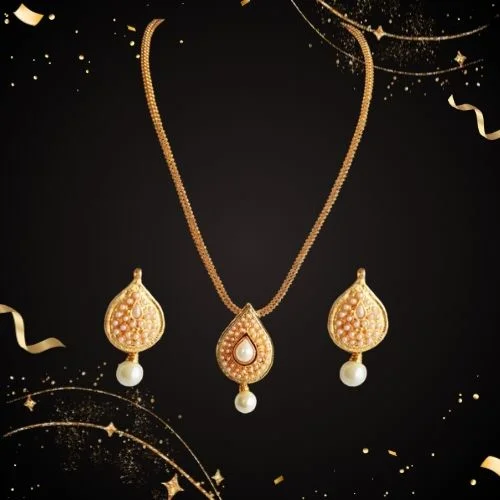
A Thoughtful Transition Toward Better Choices
Exploring skin-safe jewellery doesn’t mean giving up style or affordability.
It means choosing:
-
Longevity over disposability
-
Comfort over compromise
-
Craft over coating
Platforms like Surat Diamond are built for this new generation of conscious buyers—where beauty and well-being coexist.
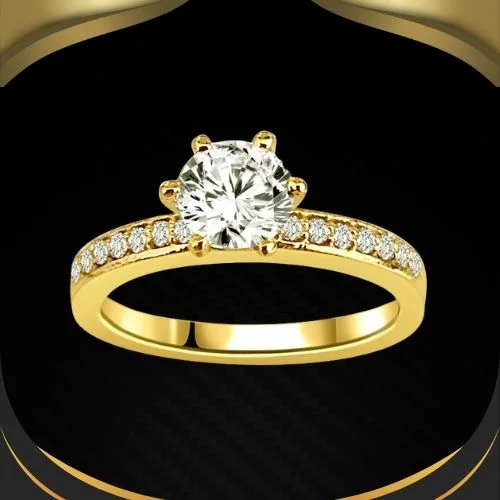
Key Takeaways
Artificial jewellery may be trendy and affordable, but its hidden impact on skin health is often overlooked. Common jewellery skin reactions—such as itching, redness, discoloration, and contact dermatitis—are frequently linked to reactive metals like nickel, lead, and cadmium used in artificial jewellery. These effects may appear gradually, making them easy to ignore until sensitivity becomes chronic. Jewellery skin safety is increasingly important today, especially with rising pollution, sweat exposure, and chemical cosmetics weakening the skin barrier. Historically, fine jewellery crafted from gold and natural gemstones was chosen not only for beauty but for skin compatibility. Diamonds and solid gold remain chemically stable, hypoallergenic, and safe for long-term wear. Making informed jewellery choices is not about fear, but awareness—understanding what touches your skin daily. By prioritizing craftsmanship, material purity, and ethical sourcing, modern buyers can enjoy jewellery that feels as good as it looks. Exploring skin-safe options at SuratDiamond.com allows you to rediscover jewellery as a source of comfort, confidence, and lasting elegance.
FAQs
Q1. Can artificial jewellery cause permanent skin damage?
Repeated exposure can lead to long-term metal sensitivity and chronic dermatitis in some individuals.
Q2. What metals cause the most jewellery skin reactions?
Nickel, cadmium, and lead are the most common triggers.
Q3. Is gold jewellery safe for sensitive skin?
Yes, solid gold is generally hypoallergenic and skin-safe.
Q4. Why do reactions worsen in summer?
Sweat accelerates metal breakdown, increasing skin exposure to allergens.
Q5. Is diamond jewellery safe for daily wear?
Yes, diamonds are inert and highly skin-compatible when set in quality metals.