
Top 5 Benefits Why Men Should Wear Silver Chain

Top 5 Benefits Why Men Should Wear Silver Chain
There is a quiet revolution happening in men’s style, and it has been building for years. The man who once wore nothing beyond a watch and a wedding band is now layering chains, stacking bracelets, and thinking carefully about what his jewellery says about him. At the centre of this shift — across India, across the Middle East, across Europe and the Americas — is one piece that has outlasted every trend and transcended every culture: the silver chain.
It is not a new idea. Men have worn silver chains for thousands of years, across virtually every civilisation that has ever valued beauty, status, or spiritual protection. What is new is the permission — social, cultural, and aesthetic — that modern men feel to wear silver jewellery not as an exception but as a considered, intentional part of how they present themselves to the world.
This guide makes the case for why that permission is well-founded. Beyond style, there are five compelling, substantive benefits to wearing a silver chain — benefits that touch health, psychology, culture, investment, and personal expression. If you have been thinking about it, read on. By the end, you will wonder why you waited.
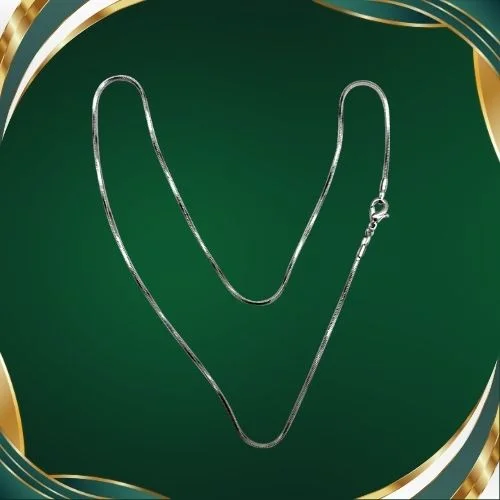
The History Behind the Metal: Why Silver Has Always Been a Man’s Metal
Before the benefits, a moment of context — because silver’s relationship with men runs deeper than any fashion cycle.
In ancient Rome, military commanders wore silver torques and chains as marks of rank and victory. Silver was the metal of warriors, not decorative ornament. In the Ottoman Empire, high-ranking officials wore elaborate silver jewellery as expressions of power and refinement that were inseparable from their identity. Closer to home in India, silver jewellery for men has been central to tribal, royal, and spiritual traditions across Rajasthan, Gujarat, Himachal Pradesh, and the tribal belts of Odisha and Jharkhand for centuries — long before it became a fashion conversation.
The Viking warriors of Scandinavia famously adorned themselves with silver chains, arm rings, and pendants not merely for decoration but as portable wealth and spiritual talismans. The discovery of Viking silver hoards across Britain, Ireland, and Scandinavia consistently includes men’s jewellery alongside coins and weaponry — silver was a man’s currency, protection, and identity simultaneously.
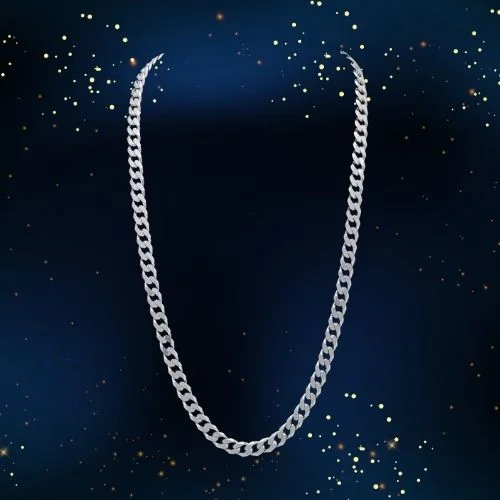
Even in the mid-20th century, the silver chain found its most iconic modern moment: the Cuban link chain, popularised by jazz musicians and later by hip-hop culture, became one of the defining accessories of masculine style for a generation of American men — and from there, the world. When you wear a silver chain today, you are part of a lineage that is genuinely ancient and genuinely global.
Benefit 1: Silver Jewellery Has Real, Documented Health Properties
This is the benefit that surprises people most — and it should not, because the science behind silver’s health properties is not new age speculation. It is documented, studied, and used in medical applications around the world.
Silver has natural antimicrobial properties. The silver ion (Ag+) disrupts the cellular function of bacteria and fungi, which is why silver has been used in wound dressings, surgical instruments, water purification systems, and medical-grade textiles for decades. When you wear a silver chain against your skin, this antimicrobial activity does not simply switch off.
In Ayurveda — India’s ancient system of medicine — silver is classified as a “cooling” metal with specific properties that support nervous system health, reduce inflammation, and promote overall vitality. The practice of wearing silver bangles, chains, and rings for health benefits is documented in Ayurvedic texts that are over two thousand years old. Specifically, silver worn on the body is believed to help regulate body temperature, which is why silver jewellery has traditionally been associated with cooling summer discomfort in South Asian communities.
Modern research has found that silver does interact with the body’s bioelectric field — the very low-level electrical activity that governs nerve signalling and cellular communication. Some researchers have proposed that silver’s conductivity may support this bioelectric activity, which is why wearing silver jewellery close to the skin has been associated in traditional medicine systems with improved circulation and reduced fatigue.
The benefits of wearing silver jewellery, particularly a silver chain worn close to the chest and neck, are therefore not merely anecdotal. They are grounded in both ancient knowledge and contemporary scientific understanding of silver’s biological interactions. For a man who spends long hours at a desk, travels frequently, or works in physically demanding conditions, this is a meaningful consideration — not just a stylistic one.
Benefit 2: A Silver Chain Elevates Any Style, For Any Man, At Any Age
Let us address the style benefit directly, because it is real and it is significant — and because the fear of “getting it wrong” is often what holds men back from the jewellery conversation entirely.
The silver chain is the single most versatile piece of jewellery a man can own. This is not hyperbole. A fine silver chain at the right length works under a formal white shirt for a board meeting. It works over a plain white t-shirt for a weekend in the city. It works layered with a second chain or a pendant for a more expressive, fashion-forward look. It works with kurtas, with suits, with casual streetwear, with formal ethnic wear.
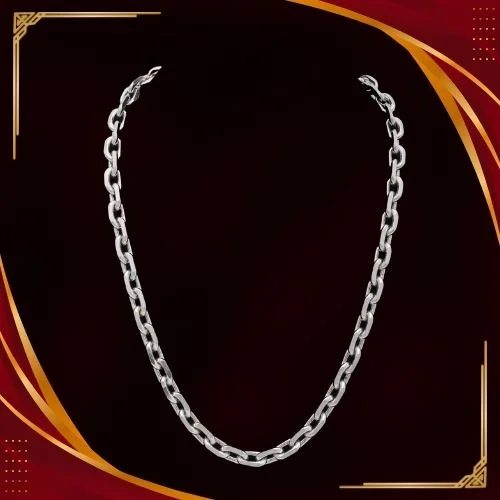
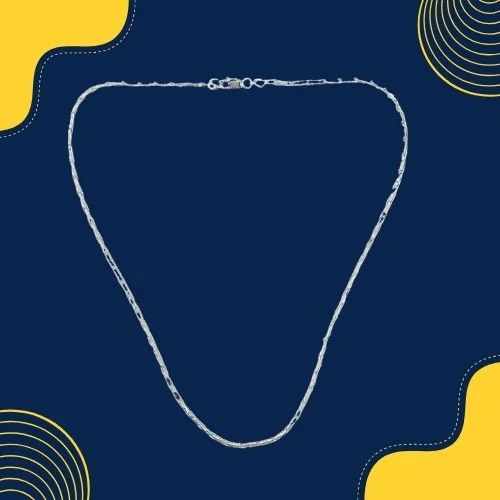
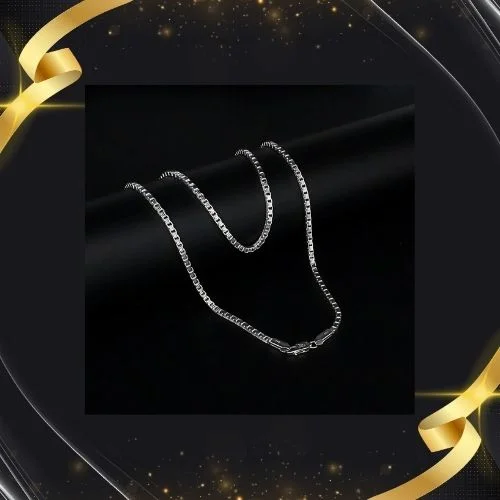
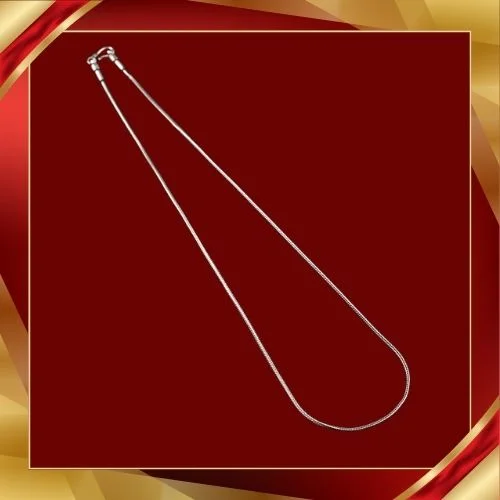
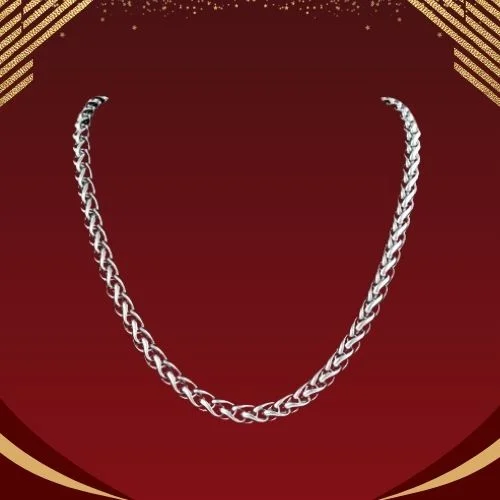
The key variable is chain style. A thin, flat anchor chain in sterling silver reads as subtle and sophisticated — almost invisible when worn under a collar, but quietly present when a shirt is open at the neck. A heavier curb or figaro chain makes a bolder statement. A rope chain has a textured, light-catching quality that works beautifully as a standalone piece. A box chain has a geometric precision that appeals to men who prefer clean, architectural aesthetics.
Indian men, in particular, are reclaiming silver jewellery as part of their aesthetic identity in ways that feel both culturally rooted and thoroughly contemporary. The silver chain worn alongside a well-fitted kurta at a family occasion is a powerful style statement — one that references a rich heritage of Indian male adornment without feeling costume-like or contrived. At Surat Diamond Jewellery, the men’s silver jewellery collection includes chain styles that serve exactly this breadth of contexts, crafted in sterling silver with the finish quality that makes the difference between jewellery that elevates an outfit and jewellery that merely occupies it.
Benefit 3: Silver Jewellery Carries Deep Spiritual and Protective Significance
In virtually every major culture and spiritual tradition, silver is associated with protection, purity, and spiritual awareness. This is not coincidence — it reflects millennia of accumulated human experience with the metal’s qualities.
In Hindu tradition, silver is considered the metal of the moon (Chandra) and is associated with calm, clarity, and spiritual receptivity. Wearing silver jewellery — particularly a silver chain — is believed to strengthen the moon’s positive influence in a person’s horoscope, supporting emotional stability and mental peace. This is why silver is traditionally worn during auspicious occasions and why it is the preferred metal for religious and ceremonial jewellery in many Hindu communities.
In Islam, silver holds a specific and well-documented place as the preferred metal for men’s jewellery — the Prophet Muhammad (PBUH) famously wore a silver ring, and silver chains and rings have remained the standard for men’s jewellery in Muslim communities across South Asia, the Middle East, and beyond. Gold jewellery for men is discouraged in Islamic tradition; silver is not only permitted but carries the blessing of prophetic example.
In Western esoteric tradition, silver is associated with lunar energy, intuition, and protection from negative influences — hence the enduring folklore of silver as the metal that repels harm. While these beliefs belong to a different cultural register, they reflect the same universal human intuition: that silver, worn against the body, offers something beyond mere decoration.
For the modern Indian man who may not identify strongly with any one spiritual tradition, the significance of wearing silver jewellery can simply be personal — a piece that carries meaning because you have chosen to give it meaning. Many men attach a pendant of personal significance to their silver chain: a religious symbol, a family emblem, a geometric form that resonates with them. The chain becomes a carrier of identity as much as an aesthetic choice.
Benefit 4: Silver Is a Genuine Store of Value and a Smart Investment
This benefit is less discussed in the context of men’s jewellery, but it deserves serious attention — particularly in the Indian context, where jewellery as an investment is deeply embedded in financial culture.
Silver, like gold, is a tangible asset with intrinsic value that has held purchasing power across centuries and civilisations. Unlike fashion accessories made from base metals or synthetic materials, a well-crafted sterling silver chain retains real metal value regardless of what happens to trends or economies. Silver’s price has historically moved counter to equity markets, making silver jewellery a modest but genuine hedge within a diversified approach to personal wealth.
In India specifically, silver jewellery purchased from hallmarked, certified sources carries government-recognised quality standards (BIS hallmark) that protect the buyer’s investment. A 925 sterling silver chain — meaning 92.5% pure silver — holds its value in a way that fashion jewellery simply does not.
There is also a generational dimension to this. Silver jewellery has always been a part of the gift and inheritance traditions of Indian families. A beautifully crafted silver chain given at a son’s graduation, a nephew’s wedding, or a milestone birthday is not merely a gift — it is a tangible expression of value and affection that the recipient can carry forward across decades. The benefits of wearing silver jewellery extend, in this sense, beyond the individual wearer to the family and the future.
Benefit 5: Wearing a Silver Chain Changes How You Feel About Yourself
This is the most personal benefit, and in some ways the most powerful.
There is a well-documented psychological phenomenon around adornment — the idea that what we wear influences how we feel, how we carry ourselves, and how others perceive and respond to us. Psychologists call this “enclothed cognition”: the clothes and accessories we wear shape our mental state in ways that are measurable and real.
For men who have not worn jewellery before, putting on a silver chain for the first time can be a quietly significant experience. It signals a choice — a decision to care about personal presentation in a dimension that was previously unexplored. It can increase confidence. It can create a sense of identity and intentionality. And because a silver chain is visible to others, it also changes social interactions in subtle but real ways: it signals style awareness, cultural groundedness, and a certain ease with the self that people respond to positively.
Celebrity culture has reinforced this reality for a generation of Indian men. Virat Kohli’s well-documented love of layered chains and silver accessories during his off-field appearances helped legitimise the idea of the silver chain as part of the modern Indian man’s wardrobe. Ranbir Kapoor, whose style has consistently included silver jewellery, has shown that a silver chain works equally well with casual and semi-formal looks. Internationally, David Beckham’s decades-long commitment to silver jewellery — chains, bracelets, rings — helped cement the silver chain as a mainstream masculine accessory rather than a subcultural signal.
The psychological benefit of wearing silver jewellery is therefore both internal — the shift in self-perception and confidence — and external — the shift in how the world responds to a man who has made intentional choices about every aspect of his presentation. For men who are serious about professional and social presence, this is not a trivial consideration.
Choosing Your Silver Chain: A Practical Guide
Understanding the benefits is one thing. Making the right choice is another. Here is what to know before you buy.
Purity and Hallmarking — Always buy 925 sterling silver (92.5% pure). Look for the BIS hallmark on Indian purchases. Avoid pieces sold as “silver-plated” if longevity and value are priorities — silver plating wears away over time, while sterling silver does not.
Chain Length — A 18-inch chain sits at the collarbone, which is ideal for wearing alone or with a pendant when a shirt is open. A 20-inch chain sits lower on the chest and is better for layering. A 22 to 24-inch chain makes a bolder, more visible statement and suits larger frames and more expressive styles.
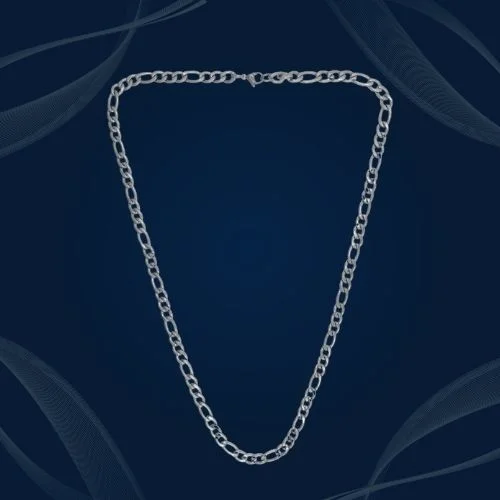
Chain Style — Anchor and cable chains are versatile classics. Figaro chains have an Italian craftsmanship heritage and a distinctive pattern that adds visual interest. Rope chains have excellent light-catching texture. Box chains are precise and architectural. Franco chains are heavier and more substantial, suited to men who want a more dominant look.
Weight — A heavier chain has more presence and reads as a more deliberate style statement. A lighter chain is more discreet. For a first silver chain, a medium weight in an anchor or cable style at 20 inches is a safe and versatile starting point.
At Surat Diamond Jewellery, the men’s silver jewellery collection covers this full range of styles and lengths, with the hallmarking, quality certifications, and product transparency that allow you to buy with complete confidence.
Key Takeaways
The silver chain is far more than an accessory. It carries documented health benefits rooted in silver’s antimicrobial and bioelectric properties, spiritual significance across Hindu, Islamic, and other traditions, investment value through sterling silver’s intrinsic worth, and psychological benefits that touch confidence, identity, and social presence. Stylistically, it is the most versatile piece of men’s jewellery that exists — working across formal, casual, ethnic, and contemporary contexts for men of every age. The history of men wearing silver jewellery is ancient and global, from Roman commanders to Viking warriors to modern Indian men who are reclaiming their right to personal adornment with confidence and intention. For any man considering a silver chain for the first time or looking to expand his silver jewellery collection, Surat Diamond Jewellery offers a curated range of sterling silver chains and men’s silver jewellery crafted to the quality standards that make both style and investment sense.
Frequently Asked Questions
What are the health benefits of wearing a silver chain?
Silver has natural antimicrobial properties and has been used in medical applications including wound dressings and water purification for decades. In Ayurvedic tradition, silver is classified as a cooling metal that supports nervous system health and helps regulate body temperature. Wearing a silver chain close to the skin is associated in both traditional and contemporary contexts with improved circulation, reduced inflammation, and antimicrobial protection. These are among the most substantive benefits of wearing silver jewellery that go beyond aesthetics.
Is wearing a silver chain appropriate for Indian men in formal and traditional settings?
Absolutely. Silver jewellery for men has deep roots in Indian culture — from royal and tribal traditions to religious practice. A well-crafted silver chain worn under a formal shirt or alongside ethnic wear is a culturally grounded and stylistically appropriate choice. The key is choosing a chain weight and style that matches the formality of the occasion: finer chains for formal settings, heavier or layered chains for more expressive contexts.
What purity of silver should I look for when buying a silver chain?
Always look for 925 sterling silver, which is 92.5% pure silver. This is the international standard for fine silver jewellery and the quality level at which a chain retains real metal value over time. In India, look for the BIS hallmark as certification of silver purity. Avoid silver-plated jewellery if longevity is a priority — plating wears away, while sterling silver does not.
Can Muslim men wear silver chains?
Yes. Silver is specifically permitted and even encouraged in Islamic tradition for men. The Prophet Muhammad (PBUH) wore a silver ring, and silver jewellery — including chains — is widely worn by Muslim men across South Asia, the Middle East, and globally. Gold jewellery is discouraged for men in Islamic tradition, making silver the standard and preferred metal for men’s jewellery in Muslim communities.
Does wearing a silver chain have astrological significance in Indian tradition?
Yes. In Vedic astrology, silver is associated with the moon (Chandra) and is believed to strengthen the moon’s positive influences in a person’s horoscope — supporting emotional stability, mental clarity, and spiritual receptivity. Wearing silver jewellery, particularly a silver chain, is often recommended by Jyotish practitioners for individuals whose horoscope indicates a weak or afflicted moon position. It is one of the most commonly recommended gemstone and metal remedies in Vedic astrology.
How should I care for and maintain a silver chain?
Sterling silver naturally tarnishes over time due to a reaction with sulphur compounds in the air and on skin. To maintain your silver chain: store it in an airtight pouch or box when not wearing it; clean it periodically with a soft silver polishing cloth; avoid exposing it to chlorine (swimming pools), harsh chemicals, or perfume directly. Regular wearing actually helps maintain silver’s shine, as the friction of movement against skin keeps the surface polished. A professional ultrasonic clean from a jeweller once a year is also worthwhile for chains with intricate link patterns.
What is the difference between silver-plated and sterling silver jewellery?
Silver-plated jewellery has a thin layer of silver applied over a base metal (usually copper or brass). The plating will wear away over time, revealing the base metal beneath — which may cause skin discolouration and reduces both the aesthetic and the value of the piece significantly. Sterling silver (925) is solid silver throughout — there is no base metal beneath the surface. It is more expensive than plated jewellery but holds its appearance, its value, and its health and spiritual properties over the long term. For any silver chain purchase intended to last, sterling silver is always the right choice.